Explore Nutrition Through a Fresh Lens
Understanding how the body uses energy, processes nutrients, and responds to daily patterns—without promises or quick fixes.
Educational content only. No promises of outcomes.

Energy Systems: Intake and Use
The human body operates as a dynamic system where energy input and expenditure continuously interact. Food provides chemical energy through macronutrients and micronutrients, which the body converts into usable fuel for cellular functions, movement, temperature regulation, and countless other processes.
Understanding these fundamental mechanisms helps build a more nuanced perspective on how nutrition shapes daily experience—not through restriction or transformation, but through informed awareness of what's actually happening inside.
The Three Macronutrients and Their Roles
Protein
Amino acids form the building blocks for muscle tissue, enzymes, hormones, and immune structures. Protein also plays a crucial role in satiety—the feeling of fullness—making it a significant factor in how hunger signals develop throughout the day.
Learn more here →Carbohydrates
The body's primary energy source, carbohydrates break down into glucose to fuel the brain, muscles, and organs. Different carbohydrate structures—simple sugars, starches, and fibre—influence digestion speed and sustained energy availability in distinct ways.
Learn more here →Fats
Essential for hormone production, nutrient absorption, and cell membrane integrity, fats also provide sustained energy due to their high caloric density. They slow gastric emptying, contributing to prolonged satiety and stable blood sugar patterns.
Learn more here →Hunger and Fullness: A Physiological Dialogue
Hunger and fullness are not simple on-off signals but complex physiological dialogues involving hormones, blood glucose levels, stomach distension, nutrient composition, and even visual and sensory cues. Ghrelin signals hunger, while leptin, peptide YY, and cholecystokinin communicate satiety to the brain.
These mechanisms evolve based on eating patterns, sleep quality, stress levels, and physical activity—creating a personalized biological context that shapes appetite throughout the day.
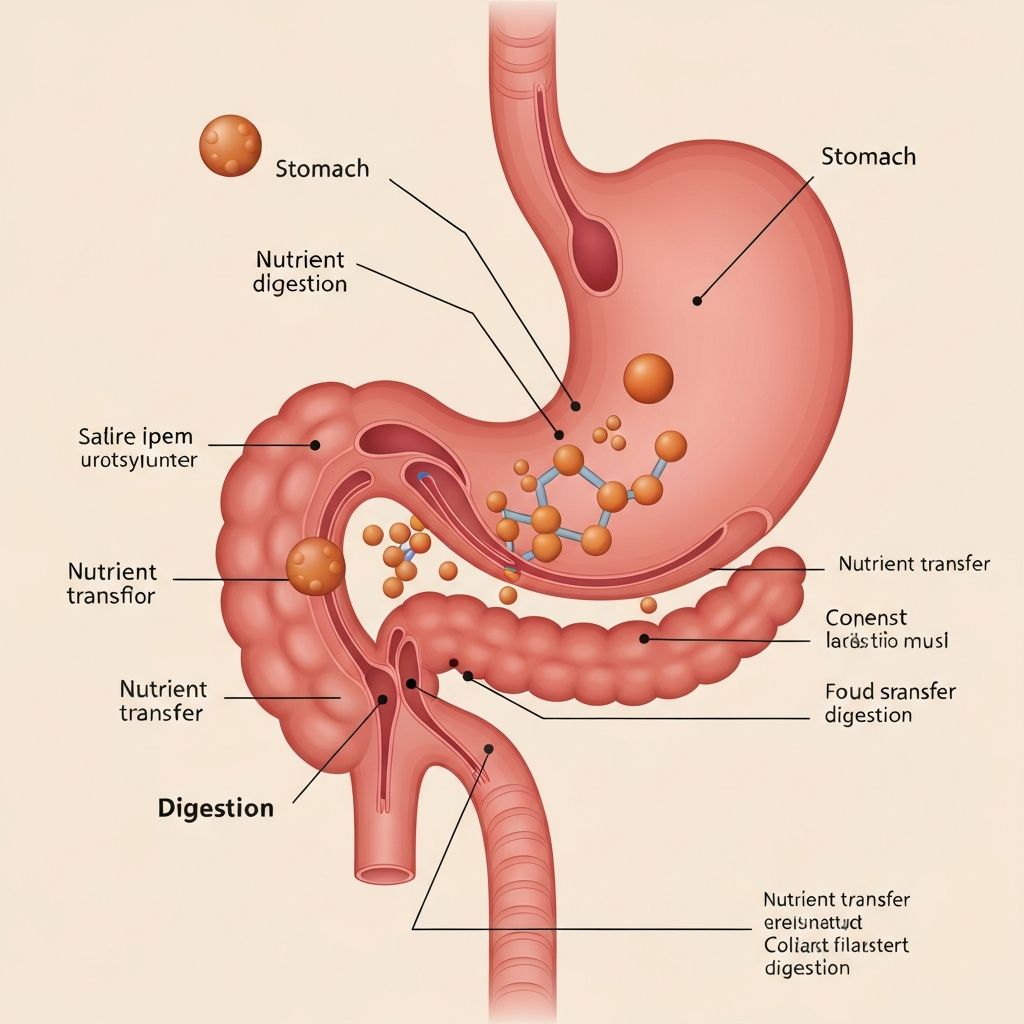
Dietary Patterns: What Research Observes
Large-scale population studies reveal consistent patterns: diets emphasizing whole foods, adequate protein, and fibre tend to support stable energy and satiety. Conversely, diets high in processed items with rapid digestion rates often correlate with frequent hunger spikes and overconsumption.
These observations exist without moral judgment—they simply reflect how different food compositions interact with human physiology. Individual responses vary based on genetics, health history, activity level, and personal preference.
Explore nutrition misbeliefs →
Movement Beyond the Gym
Non-exercise activity thermogenesis (NEAT) encompasses all movement outside structured workouts—walking, fidgeting, occupational movement, and spontaneous physical activity. For many people, NEAT contributes more to daily energy expenditure than exercise sessions.
Understanding NEAT reframes movement as an integrated part of daily life rather than something compartmentalized into specific workout blocks.
Dive deeper →Foundational Lifestyle Elements
Hydration Fundamentals
Water participates in virtually every metabolic process—thermoregulation, nutrient transport, and cognitive function. While individual needs vary, consistent fluid intake supports both physical and mental performance throughout the day.
Explore this further →Sleep and Appetite
Sleep quality directly influences hunger hormones. Poor sleep increases ghrelin and decreases leptin, intensifying hunger signals and cravings for high-calorie foods. Conversely, consistent, adequate sleep supports hormonal balance and stable appetite patterns.
See additional details →Environmental Context
Stress levels, meal timing, social eating situations, and ambient cues all influence food intake and digestion. These contextual factors are as physiologically relevant as nutrient composition itself.
Read the overview →Featured Articles
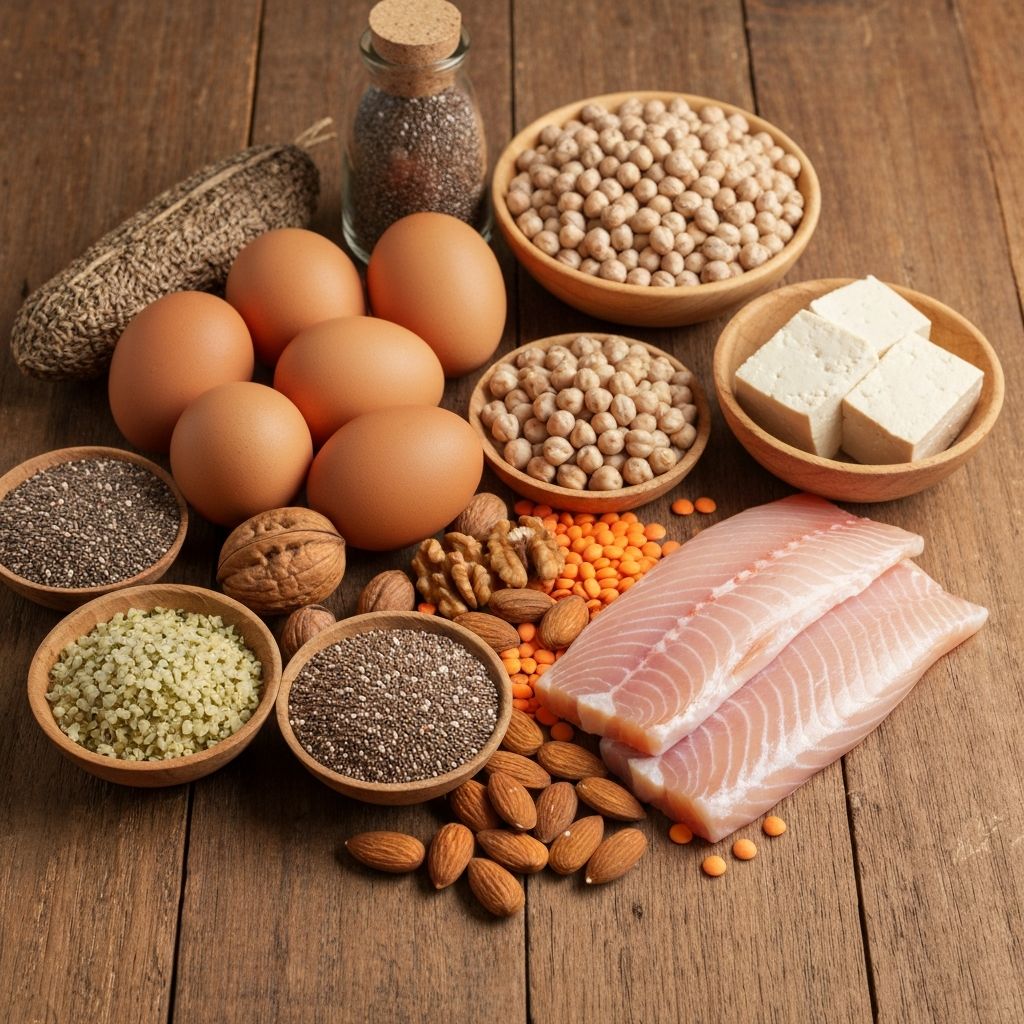
Protein: Building Blocks and Satiety Role
Explore how protein supports muscle tissue, enzymes, and the satiety mechanisms that influence daily hunger patterns.
Read more →
Carbohydrates: Energy Sources and Variations
Understand how different carbohydrate structures influence digestion, energy availability, and blood glucose patterns.
Read more →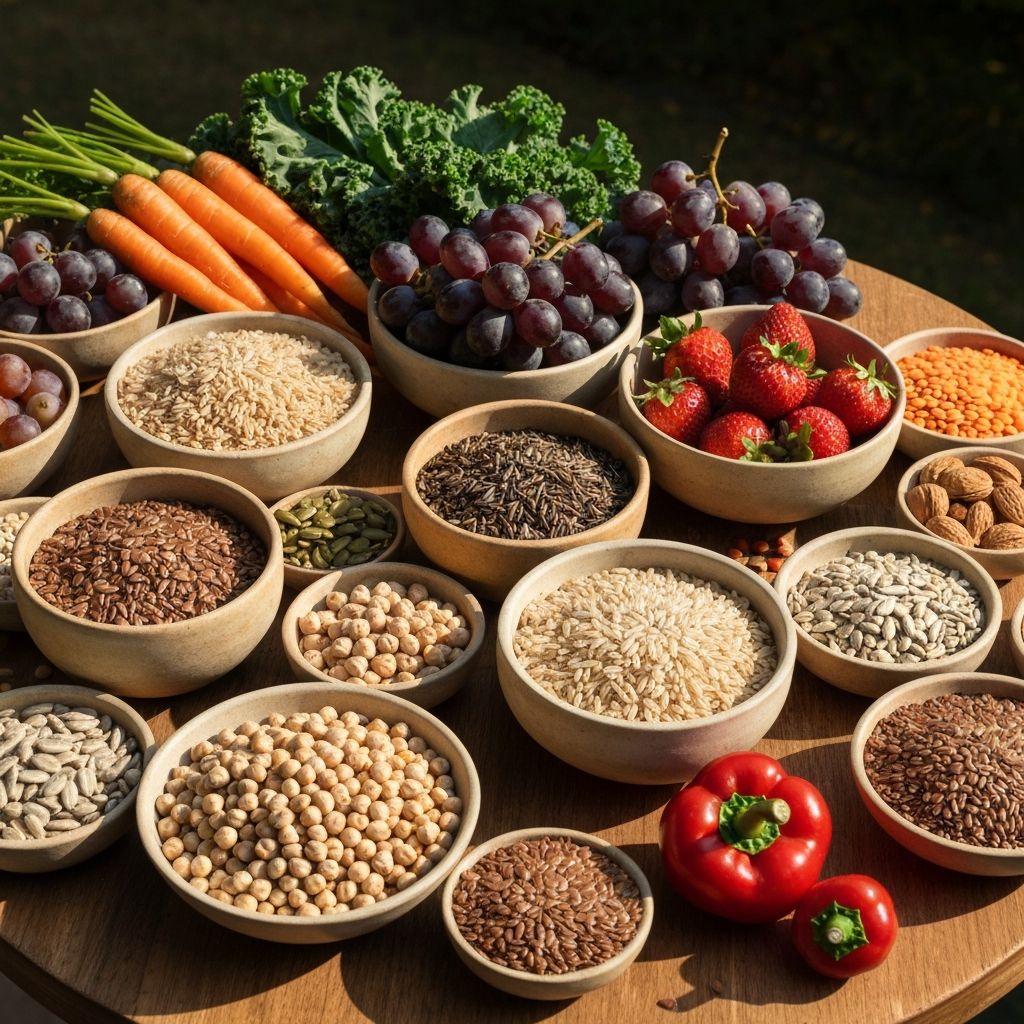
Fibre in Food: Digestion and Comfort
Discover how dietary fibre affects digestive processes, satiety, and overall metabolic function.
Read more →Frequently Asked Questions
No. This site provides educational information about nutritional physiology and lifestyle patterns. It does not offer personalised recommendations, diet plans, or health guidance. Individual nutrition needs vary significantly based on genetics, health history, activity level, and personal circumstances. For personalised advice, please consult a qualified healthcare professional or registered dietitian.
This content is informational only and not a substitute for professional medical advice. If you have existing health conditions, take medications, or have concerns about your nutrition and health, please speak with your doctor, registered dietitian, or healthcare provider before making any significant dietary changes.
SimplyNourished exists to explain nutritional science and lifestyle physiology without the lens of body transformation. The site focuses on how the body works—energy systems, nutrient processing, hunger mechanisms—as intrinsically interesting topics. Weight outcomes are influenced by countless individual variables and are not predictable from a general educational resource.
Knowledge about nutrition, sleep, movement, and lifestyle physiology can inform your daily choices. However, this site does not prescribe specific actions or promise outcomes. The information is presented to deepen understanding, not to direct behaviour. Your own judgment, combined with personalised professional guidance, is essential for applying any knowledge to your life.
Yes. The content draws from established nutritional science, physiology research, and peer-reviewed studies. However, this is not an academic journal—the site translates complex science into accessible language for general readers. Individual studies may have nuances, limitations, or conflicting findings that cannot all be presented in summary form.
You can reach out through the contact form for content-related inquiries. For health or personalised nutrition questions, please consult a qualified healthcare professional. SimplyNourished does not provide individual consultations or medical advice.
Yes, you are welcome to share specific articles or sections with others who might find the educational information helpful. Please remember to include the disclaimer that this is informational content only and not a substitute for professional advice.
Content is reviewed periodically to ensure accuracy and relevance. However, this is not a news site providing breaking science updates. The foundational concepts of nutrition and physiology remain relatively stable, though new research may occasionally refine our understanding.
No. SimplyNourished is a purely educational resource with no commercial offerings. We do not sell products, supplements, meal plans, or services. Content is provided freely as a knowledge resource.
Nutrition science involves ongoing research and sometimes conflicting findings. If you have concerns or questions about specific content, please use the contact form to share your feedback. Different perspectives are valuable, and constructive discussion is welcome.
A Gentle Invitation to Explore
Nutrition is not complicated by nature—it becomes complicated when we layer it with unsustainable promises, rigid rules, and the pressure to transform. SimplyNourished strips away those layers and returns to the fundamentals: how the body processes food, how energy flows, how hunger emerges, and how daily patterns interact with physiology.
This knowledge alone changes nothing. But understanding the mechanisms behind appetite, digestion, and energy balance can help you make informed choices that feel authentic and sustainable in your own context.
Educational content only. No promises of outcomes.